Across the United States, transportation agencies manage tens of thousands of active construction and maintenance projects every year. Yet most still have no real-time visibility into what's actually happening on their road networks.
Construction crews move fast. Permits are complex. And enforcement (identifying whether a contractor is operating within permitted conditions, in the right location, with the right safety measures in place) still relies largely on manual inspections, contractor self-reporting, and citizen complaints.
That gap between what agencies permit and what's actually happening on the ground is where compliance breaks down, safety risks accumulate, and budgets get strained.
Today, Nexar is taking a step toward closing that gap. We're bringing Nexar CityStream™ Work Zone Compliance, our road intelligence platform, to IBM watsonx Orchestrate, launching an AI-powered work zone compliance agent in the watsonx Orchestrate Agent Catalog.
What the agent does
The work zone compliance agent gives transportation agencies a new way to monitor construction activity across their road networks, detecting work zones as they appear and automatically flagging potential permit compliance issues.
Nexar's distributed road intelligence network continuously captures real-world road conditions across cities and highways. AI models analyze that data to detect work zone elements like barrels, cones, barriers, arrow boards, and lane closures and aggregate detections into mapped work zones with confidence scoring, severity ratings, and visual evidence.
That intelligence is now accessible through IBM watsonx Orchestrate, enabling transportation agencies to integrate it directly into their existing operational workflows.
Why watsonx Orchestrate
IBM watsonx Orchestrate is IBM's enterprise AI platform for automating complex business workflows. By bringing Nexar CityStream™ Work Zone Compliance into the watsonx Orchestrate Agent Catalog, transportation agencies, including state departments of transportation, municipal agencies, and public works departments, can access real-time road intelligence through IBM's enterprise channel without building custom integrations.
"Every permit issued is a promise about what will happen on that road. Nexar provides the ground truth to verify whether that promise is being kept," said Zach Greenberger, CEO of Nexar. "By bringing that capability into IBM's watsonx Orchestrate platform, we're making real-time compliance accessible to every agency, not just the ones with custom engineering resources."
The infrastructure behind it
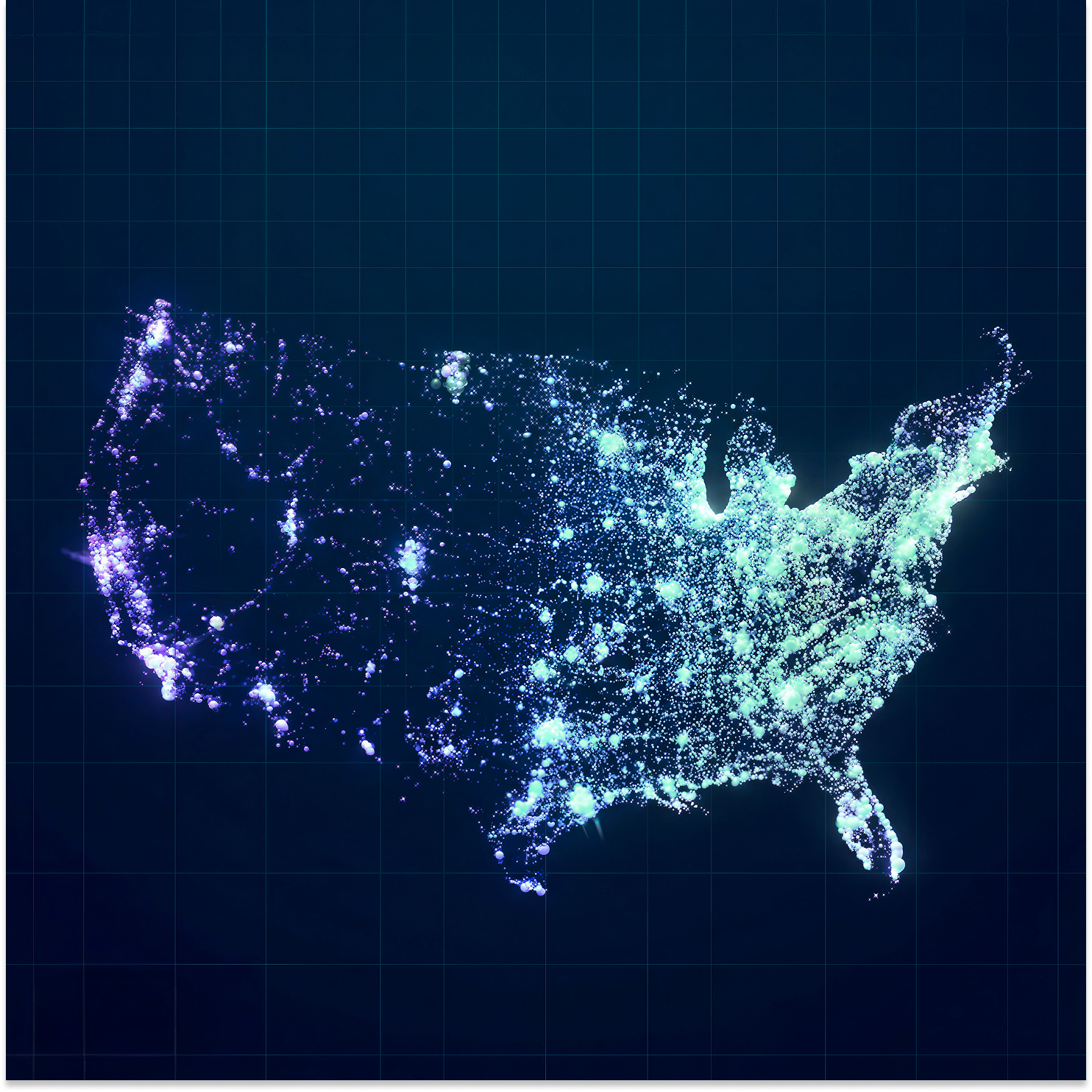
Nexar's network of 350,000+ cameras generates continuous road condition data across cities and highways. The platform detects 80M+ objects daily, refreshes 8 in 10 highway segments weekly, and produces WZDx-compatible output, making it ready to plug into the data standards transportation agencies already rely on. AI models detect infrastructure changes as they occur, not after the fact. That continuous, real-world data stream is what makes the compliance agent possible: it isn't pulling from periodic surveys or reported incidents. It's watching the road.
What comes next
Nexar CityStream™ Work Zone Compliance is available as an agent capability in the IBM watsonx Orchestrate Agent Catalog. Search "Nexar" or "Work Zone Compliance" in the catalog to add it to your agent workflow.
Nexar is the real-world intelligence platform for the Physical AI era. A network of cameras captures 100 million miles of real driving every month, producing the world's largest classified archive of naturalistic safety-critical events. The platform serves Waymo, Lyft, IBM, NVIDIA, and government infrastructure clients simultaneously. Verifying AI. ✔ nexar.ai